Why Shipping Containers Are the Future of Storage & Business Solutions
Introduction
In an increasingly fast-moving and space-conscious world, the need for reliable, scalable, and cost-effective storage and infrastructure solutions has never been greater. Businesses, entrepreneurs, and even homeowners are continuously seeking alternatives to traditional construction and storage systems that are not only affordable but also flexible and durable. One solution that has rapidly gained popularity across industries is the use of shipping containers.
Originally designed for transporting goods across oceans, shipping containers have evolved far beyond their initial purpose. Today, they are widely used for storage, offices, retail units, housing, and even large-scale industrial projects. Their strength, portability, and adaptability make them one of the most practical solutions in modern logistics and infrastructure.
This article explores why shipping containers are becoming the future of storage and business solutions, examining their benefits, applications, and long-term value.
The Evolution of Shipping Containers
Shipping containers were first introduced to standardize cargo transport and reduce handling costs in global trade. Before their introduction, goods were loaded and unloaded manually, which was time-consuming and prone to damage and theft.
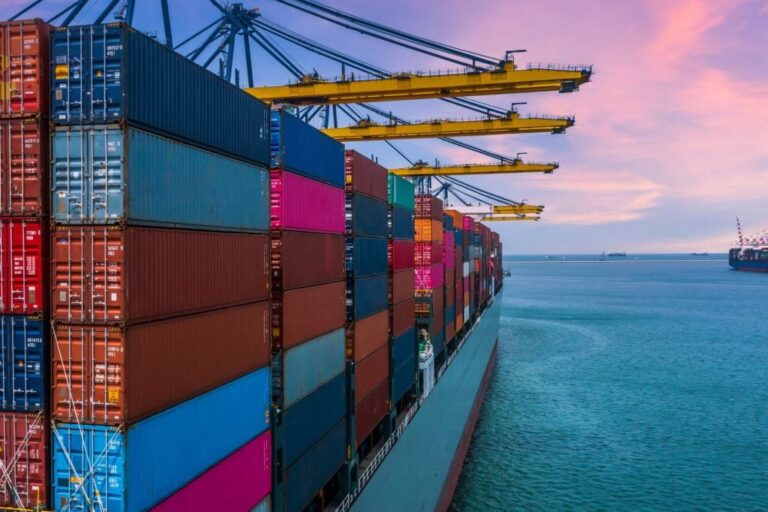
With the development of standardized container sizes such as 20ft and 40ft units, the logistics industry experienced a massive transformation. Containers could now be easily transferred between ships, trucks, and trains without unloading the cargo inside. This innovation significantly improved efficiency and reduced transportation costs.
Over time, industries began to recognize that these containers could serve purposes beyond shipping. Their strong steel structure, modular design, and ease of transport made them ideal for various applications, leading to their widespread use in storage and construction.
Durability and Strength
One of the most important advantages of shipping containers is their exceptional durability. These containers are built using high-quality steel designed to withstand extreme weather conditions, including heavy rain, strong winds, and even saltwater exposure during sea transport.
Because they are constructed to carry heavy loads and endure long journeys across oceans, they offer a level of strength that is difficult to match with traditional materials. This makes them highly secure and reliable for storing valuable goods.
Additionally, their resistance to pests, fire, and environmental damage makes them suitable for both short-term and long-term use. Businesses can store inventory, equipment, and materials without worrying about damage or deterioration.
Cost-Effectiveness
Cost is a major factor when choosing storage or construction solutions. Traditional buildings require significant investment in materials, labor, and time. In contrast, shipping containers offer a much more affordable alternative.
Used containers, in particular, are available at lower prices and can still provide excellent functionality. Even new or one-trip containers are often more cost-effective than constructing a building from scratch.
Furthermore, containers require minimal maintenance, which reduces long-term expenses. Businesses can allocate their resources more efficiently while still benefiting from a high-quality storage solution.
Flexibility and Versatility
Shipping containers are incredibly versatile and can be used for a wide range of applications. Their modular design allows them to be easily modified and customized according to specific needs.
Some common uses include:
- Storage units for businesses and individuals
- Mobile offices for construction sites
- Pop-up retail shops and cafes
- Workshops and industrial units
- Temporary or permanent housing
Containers can also be stacked or combined to create larger structures, making them suitable for complex projects. This flexibility allows businesses to scale their operations without significant investment in new infrastructure.
Easy Transportation and Mobility
Another key advantage of shipping containers is their mobility. Unlike traditional buildings, containers can be transported from one location to another with relative ease.
This is particularly beneficial for businesses that operate in multiple locations or require temporary setups. For example, construction companies can move container offices from one site to another as projects progress.
The ability to relocate containers also reduces the risk of investment loss, as the same unit can be reused in different locations and for different purposes.
Eco-Friendly and Sustainable Solution
Sustainability is becoming increasingly important in today’s world. Shipping containers offer an environmentally friendly alternative to traditional construction methods.
By repurposing used containers, businesses can reduce waste and minimize the demand for new construction materials. This helps lower the overall environmental impact.
Additionally, container-based structures can be designed to incorporate energy-efficient features such as insulation, solar panels, and ventilation systems. This further enhances their sustainability and reduces operational costs.
Security and Safety
Security is a major concern for businesses storing valuable goods. Shipping containers are designed with strong locking mechanisms and solid steel walls, providing a high level of protection against theft and unauthorized access.
Their robust construction also makes them resistant to natural elements, ensuring that stored items remain safe under various conditions.
For added security, containers can be equipped with advanced locking systems, surveillance cameras, and alarm systems, making them one of the safest storage options available.
Applications in Modern Business
Shipping containers are being used across a wide range of industries. Their adaptability allows businesses to innovate and create unique solutions tailored to their needs.
In retail, containers are used as pop-up shops and mobile stores, allowing businesses to reach customers in different locations. In construction, they serve as on-site offices and storage units.
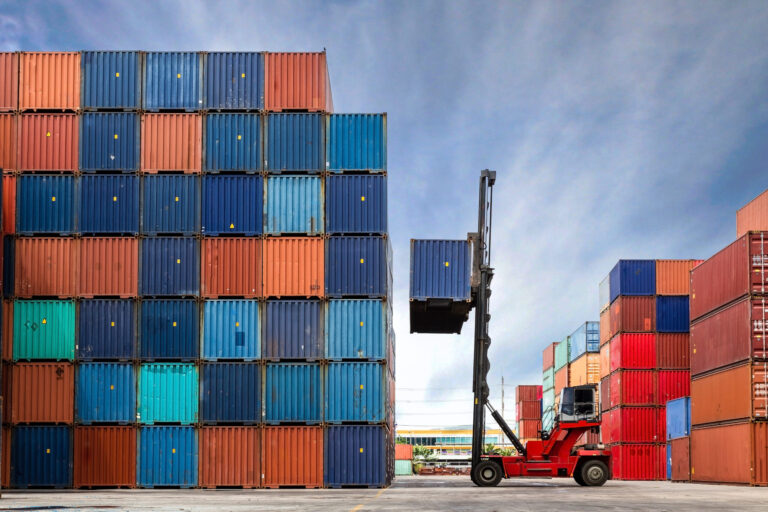
In the logistics sector, containers remain essential for transporting goods efficiently across global markets. Their standardized design ensures compatibility with different transportation systems.
Long-Term Investment Value
Investing in shipping containers offers long-term benefits. Their durability ensures that they can be used for many years without significant wear and tear.
Additionally, containers retain their value over time, making them a smart investment for businesses. They can be resold, repurposed, or modified as needed, providing flexibility and financial security.
Future Trends and Innovations
The use of shipping containers is expected to grow in the coming years. Innovations in design and technology are expanding their applications even further.
Container architecture is becoming increasingly popular, with modern designs being used for homes, offices, and commercial spaces. Advances in insulation and climate control are also improving their usability in different environments.
As businesses continue to seek efficient and sustainable solutions, shipping containers are likely to play an even greater role in shaping the future of infrastructure and logistics.
Conclusion
Shipping containers have evolved from simple transport units into versatile and valuable assets for modern businesses. Their durability, cost-effectiveness, flexibility, and sustainability make them an ideal solution for a wide range of applications.
As industries continue to innovate and adapt to changing demands, shipping containers are set to become an integral part of the future of storage and business solutions.