The Role of Shipping Containers in Global Trade and Logistics
Introduction
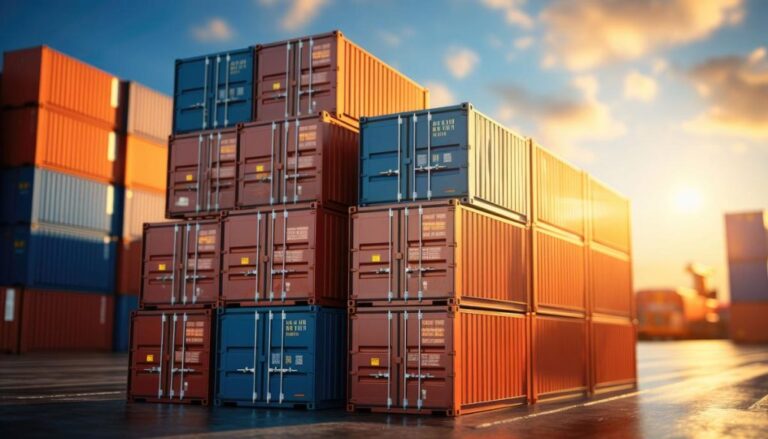
Global trade has experienced significant transformation over the past few decades, driven by advancements in technology, transportation, and logistics systems. At the center of this transformation lies one of the most important innovations in modern commerce: the shipping container.
Shipping containers have revolutionized the way goods are transported across the world. They provide a standardized, secure, and efficient method for moving products between countries, enabling businesses to expand beyond local markets and operate on a global scale.
This article explores the critical role of shipping containers in global trade and logistics, highlighting their impact on efficiency, cost reduction, security, and business growth.
The History of Containerization
Before the introduction of shipping containers, cargo transport was a complex and time-consuming process. Goods were loaded and unloaded manually, often resulting in delays, damage, and increased costs.
The concept of containerization introduced a standardized system where goods could be packed into large steel containers and transported seamlessly across different modes of transport. This innovation simplified logistics operations and significantly improved efficiency.
Standard container sizes such as 20ft and 40ft units became the global norm, allowing shipping companies, ports, and transport providers to operate in a more coordinated and efficient manner.
Standardization and Global Compatibility
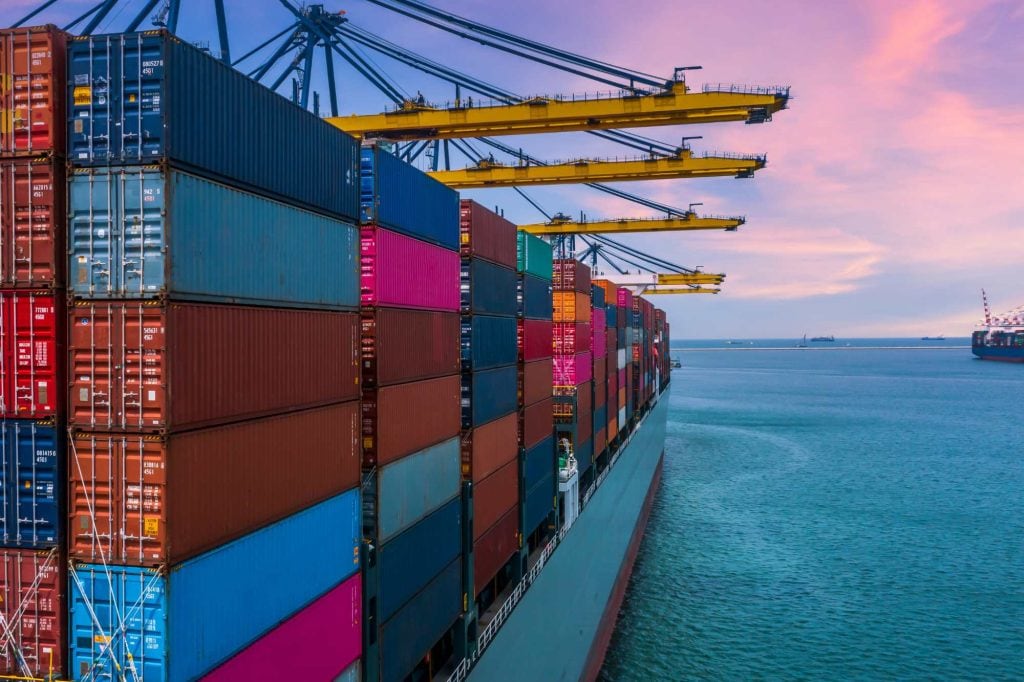
One of the key strengths of shipping containers is their standardized design. This standardization allows containers to be easily transferred between ships, trucks, and trains without the need to unload and reload cargo.
This system, known as intermodal transportation, has become the backbone of global logistics. It enables faster movement of goods and reduces handling costs.
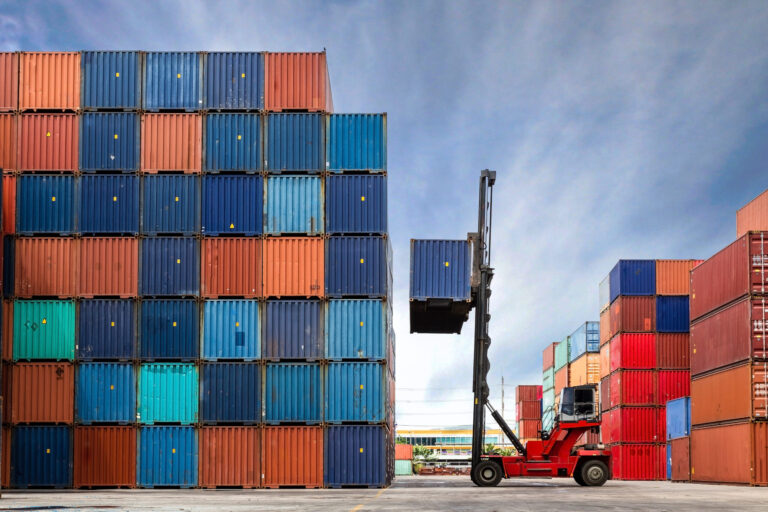
Standardization also ensures compatibility with infrastructure such as ports, cranes, and storage facilities, making logistics operations more streamlined and efficient.
Efficiency in Transportation
Shipping containers have greatly improved the efficiency of global transportation. By allowing goods to remain in the same container throughout their journey, handling time is significantly reduced.
This leads to:
- Faster loading and unloading processes
- Reduced labor costs
- Lower risk of damage or loss
- Improved delivery timelines
Efficiency is especially important in today’s competitive global market, where businesses rely on timely delivery to maintain customer satisfaction.
Cost Reduction in Logistics
One of the biggest advantages of containerization is cost reduction. By standardizing the shipping process and minimizing manual handling, businesses can significantly lower transportation expenses.
Containers also allow for better space utilization, enabling more goods to be transported in a single shipment. This reduces the cost per unit and increases overall profitability.
Additionally, the durability of containers reduces the need for additional packaging, further lowering costs.
Security and Protection of Goods
Shipping containers provide a high level of security for goods during transit. Their strong steel construction protects against physical damage, theft, and environmental factors.
Containers are sealed at the point of origin and remain closed until they reach their destination. This reduces the risk of tampering and ensures the integrity of the cargo.
For high-value or sensitive goods, additional security measures such as tracking systems and electronic seals can be used.
Role in Multimodal Transportation
Multimodal transportation refers to the use of multiple modes of transport, such as sea, road, and rail, to move goods from one location to another.
Shipping containers make this process seamless by allowing goods to remain in the same container throughout the journey. This eliminates the need for repacking and reduces the risk of damage.
This flexibility enables businesses to optimize their supply chains and choose the most efficient transportation routes.
Impact on Global Supply Chains
Shipping containers are a fundamental component of modern supply chains. They enable businesses to source raw materials, manufacture products, and distribute goods across the world.
Efficient container logistics allows companies to:
- Maintain consistent inventory levels
- Reduce lead times
- Improve supply chain reliability
- Expand into international markets
Without containers, the complexity and cost of global supply chains would be significantly higher.
Supporting International Trade Growth
The growth of international trade is closely linked to the use of shipping containers. By making transportation more efficient and cost-effective, containers have enabled businesses of all sizes to participate in global markets.
Small and medium-sized enterprises can now export their products to different countries, increasing competition and driving economic growth.
Containers also support large-scale industrial operations by facilitating the movement of raw materials and finished goods.
Technological Advancements in Container Logistics
Modern technology has further enhanced the capabilities of shipping containers. Innovations such as GPS tracking, smart sensors, and automated handling systems have improved visibility and control over shipments.
These technologies allow businesses to:
- Track shipments in real-time
- Monitor temperature and conditions
- Improve logistics planning
- Reduce delays and disruptions
Digitalization is playing a key role in making container logistics more efficient and reliable.
Environmental Impact and Sustainability
Sustainability is becoming an important consideration in global trade. Shipping containers contribute to environmental efficiency by optimizing transportation and reducing waste.
By enabling bulk transportation, containers reduce fuel consumption per unit of cargo. Additionally, the reuse and repurposing of containers help minimize environmental impact.
Many companies are also adopting eco-friendly practices such as energy-efficient ships and sustainable logistics solutions.
Challenges in Container Logistics
Despite their many advantages, shipping containers also present certain challenges. These include:
- Port congestion
- Container shortages
- Fluctuating shipping costs
- Regulatory and customs issues
Addressing these challenges requires effective planning, coordination, and investment in infrastructure.
Future of Shipping Containers in Global Trade
The future of shipping containers looks promising, with continued growth in global trade and logistics. Innovations in automation, digital tracking, and sustainable practices are expected to further enhance their role.
Container-based solutions are also expanding into new areas such as modular construction and mobile infrastructure, increasing their relevance beyond logistics.
As global markets continue to evolve, shipping containers will remain a key driver of economic growth and international trade.
Conclusion
Shipping containers have transformed global trade and logistics by providing a standardized, efficient, and secure method of transporting goods. Their impact can be seen in every aspect of modern commerce, from supply chains to international markets.
By reducing costs, improving efficiency, and enabling global connectivity, shipping containers have become an essential component of the global economy.
As technology and innovation continue to shape the future, the importance of shipping containers will only continue to grow, supporting businesses and industries worldwide.